Medicine and Community Weekend Retreat
Beginning on Saturday night once Shabbat has ended — hosted by Aaron Stefansky, and shaped around preparing well and returning home with something you can actually use.
The whole weekend is the work.
Ceremony is the doorway. What lasts is built on either side of it — in how you prepare, and in what you do with it afterwards. So the weekend is treated as one continuous thing: the breathwork, the circles, the conversations, the hours with nothing scheduled. None of it is separate from the rest.
It is easy to get lost in the sheer bigness of a night like that — dazzled by it, and home by Tuesday with nothing you can actually use. The work here is to help you find the few real things in it and carry them into your relationships, your habits, your work, and the way you show up on an ordinary day.
We want people to feel the true spirituality of this life, gifted to us by our Creator. We also want you to come home with something you can live by. Those have never been competing aims.
What the weekend includes.
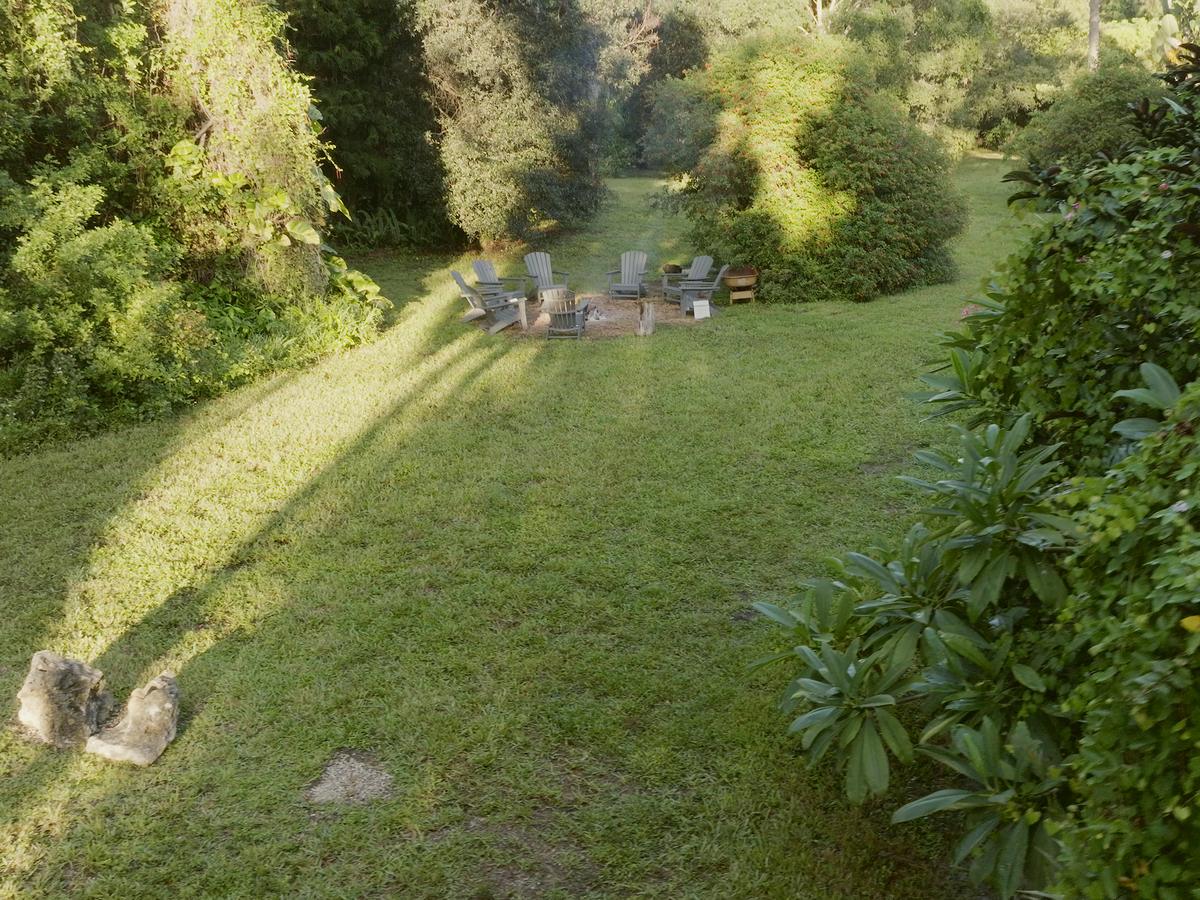
- Two nights' accommodation on the property
- All meals — vegetarian and kosher, prepared on site
- Preparation guidance before you arrive
- Orientation before anything begins
- Two evening ceremonies
- Breathwork
- A gentle movement session
- Sharing and integration circles
- Conversations that help make sense of the experience
- Space for prayer, reflection and rest
- Company and support across the whole retreat
How we hold it
We serve this the way we were taught to meet it — through the discipline of the master plant dietas, the long quiet work of sitting with the plant teachers until what they have to teach lives in the body rather than in a notebook. We don't talk much about that during a ceremony. We would rather it simply be felt: in the steadiness of the room, and in the quality of attention we bring to it.
Integration is not an afterthought
It is where the work becomes yours. In the sharing and integration circles we slow down and make meaning together, so that what happened does not evaporate the moment you drive out of the gate. A ceremony may open something. Integration is how you come to understand it, hold on to it, and live it.
Safety and humility
We hold this with both — clear-eyed about what we are working with, never above it, and in service to the people who trust us to sit with them. You are safe here to go as deep as you are ready to go.
What it feels like.
-
Saturday night
Shabbat ends, and the retreat begins about an hour and a half later. Arrive, settle, and meet the people you will spend the next two days with. Orientation before anything else, so everyone knows what the night holds — then ceremony, and something light to eat afterwards.
-
Sunday
A slow start. Movement, then the first integration circle — time to say out loud what the night was, which is often where it starts to make sense. Lunch, then a long stretch with nothing scheduled. Breathwork in the afternoon, and the second ceremony that night.
-
Monday
Breakfast, a final integration circle, and a closing circle. We finish around the middle of the day, so nobody is driving home exhausted.
The shape of the weekend varies. This is the rhythm, not a timetable.
Who comes to this.
- People who feel called to go deeper — looking for clarity, prayer, connection, and a more honest relationship with themselves and with G-d.
- People who are not after a quick escape, but a meaningful process held with care, humility and respect.
- People willing to do the preparation. It is asked of everyone, and it makes more difference than most expect.
- Anyone under a clinician's care, or taking prescribed medication, should talk to them before registering. Some conditions and medications make participation unsafe, and that is covered properly at intake.
Sacred medicine ceremonies within this retreat are conducted by Tikkun Healing Center, an affiliated spiritual organization.
Retreat registration, accommodations, programming, and payment are managed by Tikkun Retreats. A donation is made to Tikkun Healing Center on the participant's behalf for ceremony participation.
Where you sleep.
| Room | Per person |
|---|---|
| General (air-conditioned ceremony area)Shared sleeping space | $1,540 |
| Twin ShareA shared room | $2,050 |
| Loft — single room | $2,150 |
| Queen Room | $2,300 |
There is always a shared-accommodation option, so nobody is turned away for want of a bed once the private rooms have gone.
Sliding scale and payment plans may be available where cost is genuinely the obstacle. Ask.
We ask for about a week's notice where you can manage it, so there is time to prepare properly. Later than that, ask anyway — we would rather hear from you.
Your facilitator
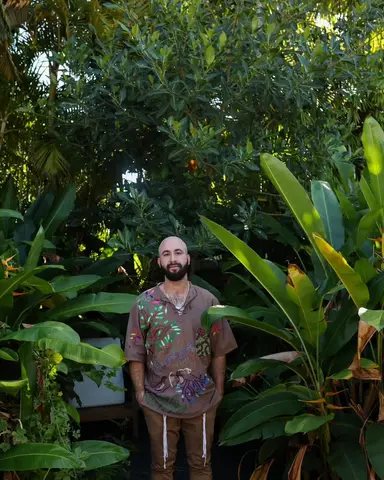
Aaron Stefansky
Co-founder · Lead facilitator
Aaron co-founded Tikkun and leads the retreats here. He is still studying: long dietas with master plants in the Peruvian jungle and here in Florida.
In Aaron’s words
Is the ceremony the point of the retreat?
The retreat itself is where the work comes alive. That's where we start to integrate what's coming up, start to understand our patterns, and actually get to practise some of it while we're still here, with support in the room.
What does the medicine do, then?
Medicine isn't the answer. It's one of the tools. A lot of people arrive expecting one big breakthrough that changes everything. What we start to learn is that we have a choice, and we have the ability to change our lives — and that it takes time. It isn't done in one ceremony; it follows us into the world.
Are you teaching, or guiding?
I see myself as a guide, just like a tour guide. A tour guide has been along the path, they know the ins and outs… I can be the guide to show you the way, however your journey looks, however long it may be, whatever route you want to take. I am patient. It's not about me trying to get you to a specific point, because my journey isn't over either.
How should I prepare?
Take preparation seriously. Prepare mentally and physically. Come with an intention — intention is really powerful with this medicine… Minimize distractions, whether that's screen time, smoking, or something else. Just feel.
Before you register.
When should I arrive?
This retreat begins on Saturday night, about an hour and a half after Shabbat ends. Exact arrival times come with your registration.
Is there anything to do beforehand?
Yes. There is a preparation period before the retreat, including dietary guidance. It is sent to you after you register, and it matters more than people expect.
What are the meals like?
Vegetarian and kosher, cooked on site, and eaten together. Tell us about allergies and dietary needs when you register.
Do I need to have done this before?
No. Plenty of people at any given weekend have not. Nobody is expected to arrive knowing how this works.
What if I would rather not take part in a ceremony?
Say so. The rest of the weekend — the meals, the circles, the breathwork, the grounds — stands on its own, and nobody is pushed.
What if the room I wanted is already taken?
Register anyway. The private rooms are limited and they do fill, but there is always a shared-accommodation option — a bunk room and an indoor air-conditioned room, taking up to sixteen people between them — so nobody is turned away for want of a bed.
Can I come with a partner or a friend?
Yes. Tell us when you register and we will sort the sleeping arrangements out with you; if the private rooms have gone, shared accommodation is still there. Some people find coming with someone easier; some find it gets in the way. Worth a conversation first.
What should I bring?
Comfortable clothes for indoors and out, something warm for the evening, and a notebook if you use one. There is nothing you need to buy.
Register for this weekend.
This retreat has finished.
Registration for these dates is closed. Our upcoming dates are on the retreats page, and we would be glad to see you at one of them.